Mobility of Young People – ZAK House Birkirkara Malta,
9 – 16 January 2026
The youth exchange focuses on the growing mental health challenges that young people face in today’s fast‑changing and demanding world. By bringing together participants from different countries and cultural backgrounds, the project creates a unique space for sharing experiences, learning from one another, and exploring the factors that influence emotional well‑being. Through creative activities, open discussions, and collaborative learning, the exchange encourages a deeper understanding of how young people cope with stress, uncertainty, and social pressures.
A key element of the project is the exploration of music as a powerful tool for emotional expression, connection, and mental well‑being. Participants have the opportunity to discover how music can support positive coping strategies and contribute to a healthier, more balanced lifestyle. The youth exchange also aims to build an inclusive and supportive environment where everyone feels valued, respected, and safe to express their emotions and personal stories.
Ultimately, the project empowers young people to develop positive mental health habits, strengthen their resilience, and promote peer support within their local communities. By fostering empathy, understanding, and solidarity, the exchange inspires participants to take meaningful action and contribute to a more supportive and mentally healthy society.
The exchange brought together participants from Germany, Bulgaria, Spain, Latvia, and Malta, creating a truly diverse and multicultural environment. The variety of backgrounds, languages, and perspectives enriched every activity and discussion, allowing participants to learn not only from the program itself but also from one another. This international mix encouraged open‑mindedness, cultural understanding, and meaningful collaboration, helping the group build strong connections and work together effectively throughout the entire project.
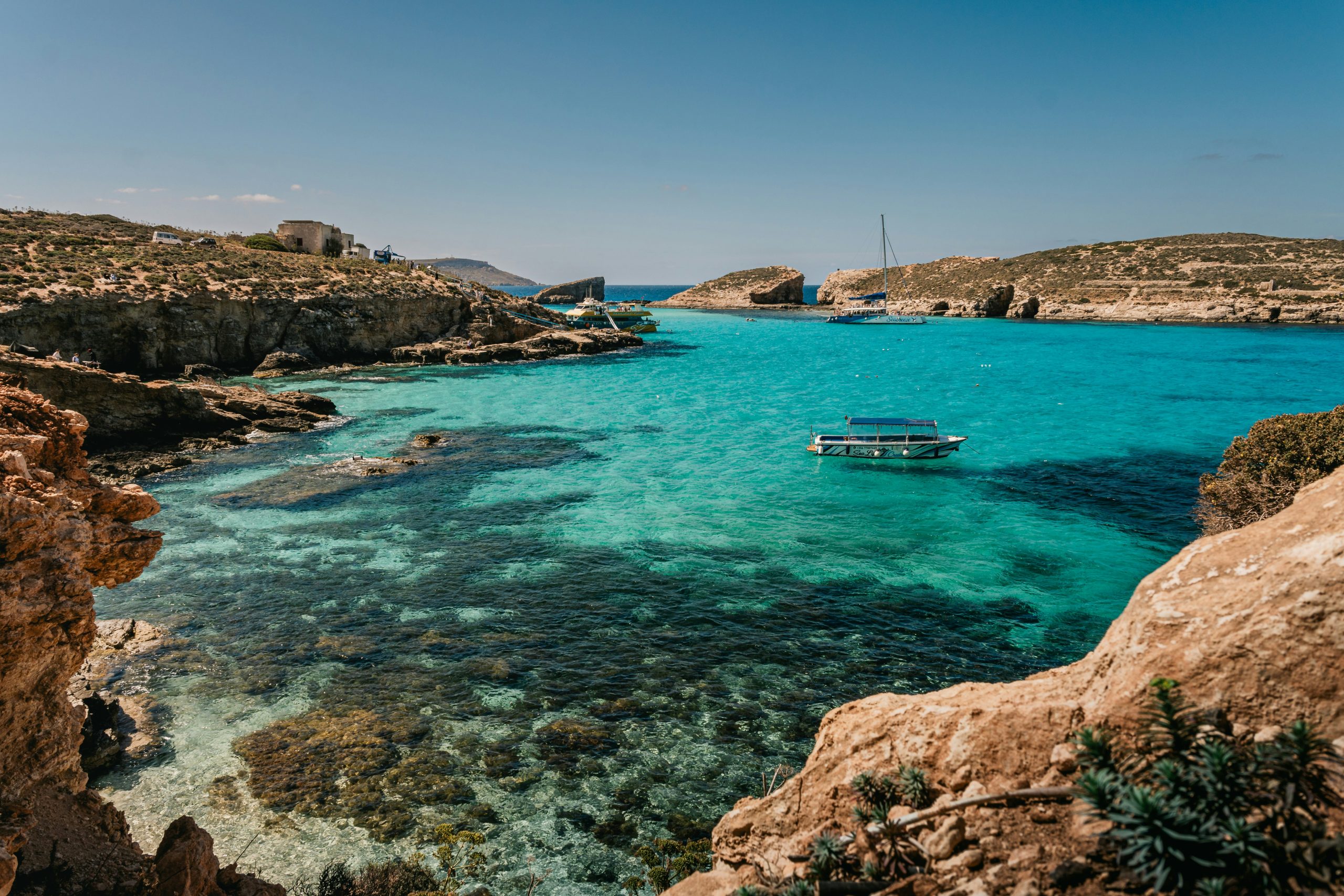
The project took place in Birkirkara, one of the largest and most dynamic towns in Malta. Its central location provided an ideal setting for the exchange, allowing participants to experience both the cultural atmosphere of the town and the wider beauty of the island. Throughout the entire program, all activities, workshops, and group sessions were hosted at ZAK House, which served as the main venue for the exchange. The space offered a comfortable, welcoming, and well‑equipped environment where participants could work, collaborate, and build a strong sense of community. Being based in Birkirkara and ZAK House made it easy for the group to explore local landmarks, interact with the Maltese surroundings, and fully immerse themselves in the authentic atmosphere of the island during the project.
Day 1
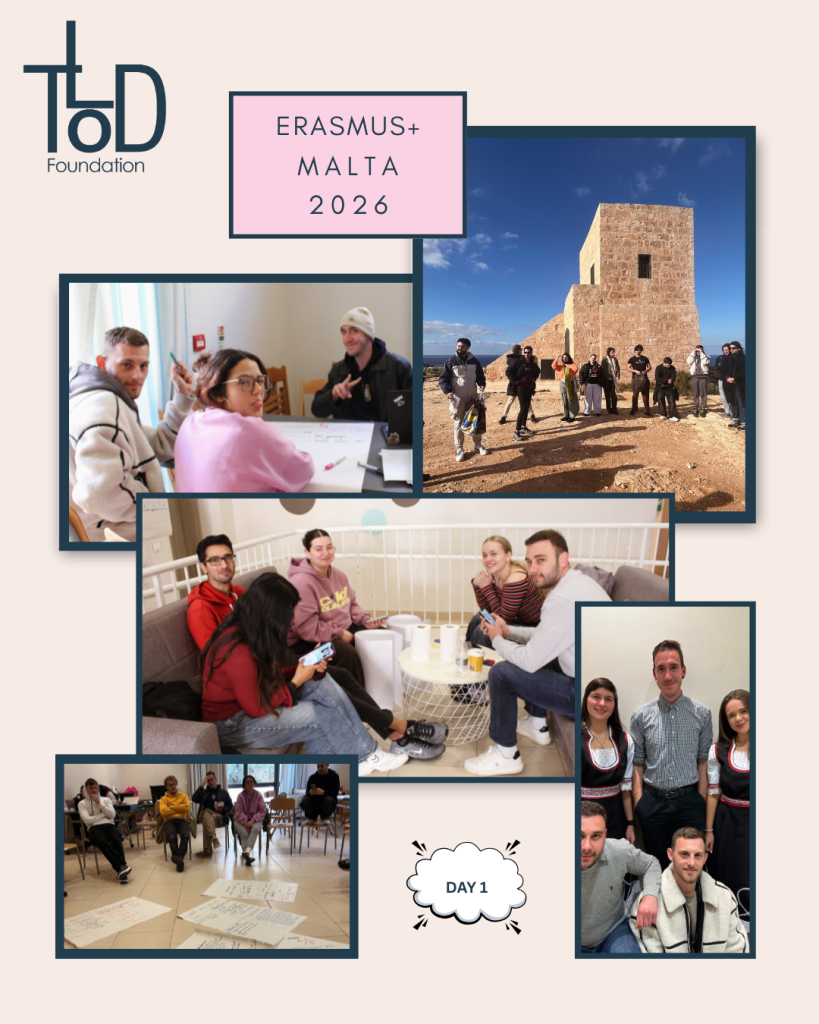
The day began with a series of engaging ice‑breaking activities designed to help participants get to know one another and feel more comfortable within the group. These early moments set a positive tone, encouraging openness, curiosity, and a sense of connection among young people coming from different countries and backgrounds. As the atmosphere became more relaxed and friendly, everyone found it easier to communicate, collaborate, and step into the spirit of the youth exchange.
After the introductory activities, we were divided into teams, referred to as “families,” which added an element of fun and belonging to the experience. These groups became our support circles for the day, helping us build trust, teamwork, and a shared identity. Once the teams were formed, we received our “Mission Impossible” challenge — an exciting and fast‑paced set of tasks that required creativity, coordination, and quick thinking. The missions included filming short videos, completing playful group challenges, and navigating our way to specific locations.
This combination of teamwork, exploration, and friendly competition brought a lot of energy and laughter to the day. It helped participants bond more deeply, discover each other’s strengths, and step outside their comfort zones. Overall, the activities created a dynamic start to the exchange.
Later in the day, we moved on to a new activity that focused on exploring the emotional impact of music. We were divided into small groups, and each group had to choose a music album to listen to in full. As we went through the songs, we reflected on how each track made us feel, discussing the emotions, memories, or thoughts that the music evoked. This process encouraged us to pay attention not only to the sound and lyrics, but also to our own inner reactions and personal associations.
After completing the listening session, every group presented their impressions to the rest of the participants. Each team shared which songs stood out to them, how the album influenced their mood, and what emotional themes they identified. These presentations sparked a lively and meaningful discussion, revealing how differently people can experience the same piece of music. The activity helped us understand the powerful role that music can play in mental well‑being and highlighted the diversity of emotional responses within the group.
After dinner, it was time for the long‑awaited international evening, one of the most colorful and engaging parts of the exchange. Participants from each country had prepared traditional foods, snacks, and small treats that represented their local culture and culinary heritage.
To make the evening even more dynamic, the activity included a friendly competition. Each country, acting as a team, had the task of guessing the origin of as many foods as possible. This playful challenge encouraged participants to pay attention to flavors, presentation, and cultural hints.
The international evening not only celebrated cultural diversity but also strengthened the bonds within the group, creating a sense of unity and appreciation for the richness of each participant’s heritage.
Day 2
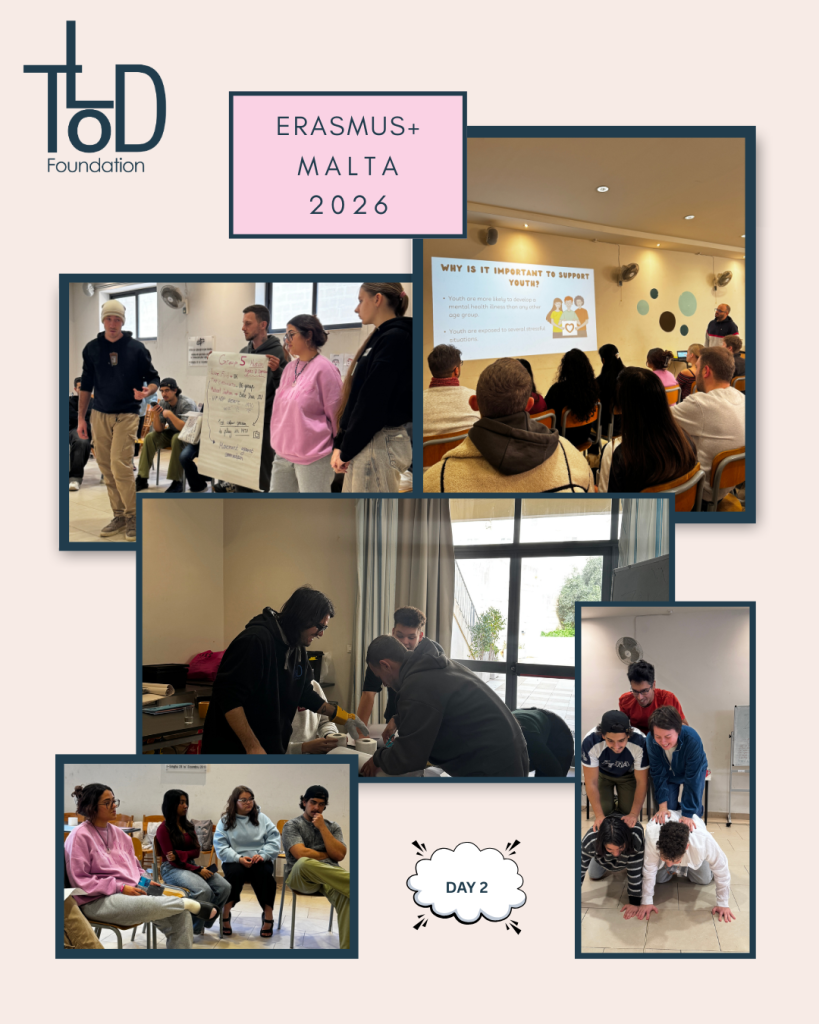
The following day continued with a strong focus on mental health and resilience. We began with group discussions that encouraged participants to reflect on the challenges young people face today and to explore different ways of building emotional strength and coping with stress. These conversations created a supportive atmosphere where everyone could share personal insights, listen to others’ experiences, and deepen their understanding of how resilience develops over time.
Then a creative and teamwork‑focused challenge: building the tallest possible tower using only simple materials such as sheets of paper, scissors, tape, and markers. Each team had to plan, design, and construct their tower within a limited time, paying attention not only to height but also to stability and overall appearance. Once the time was up, the towers were evaluated based on three criteria — aesthetic design, height, and structural strength.
To make the activity even more engaging and to test our adaptability, every participant had a specific limitation while building. Some team members were not allowed to speak, others had to work blindfolded, and some had to wear a glove on one hand, making it harder to handle the materials. These restrictions encouraged teams to find creative ways to communicate, collaborate, and support one another despite the obstacles.
As the day progressed, we moved on to a research‑based activity connected to the project’s theme of music and well‑being. Each group was tasked with investigating how music has influenced society during different historical periods. This included exploring the social, cultural, and emotional impact of music across various decades, as well as examining how musical trends have shaped people’s identities, moods, and collective experiences. Participants gathered information, compared findings, and discussed how music can reflect societal changes or provide comfort during difficult times.
The activity encouraged critical thinking, teamwork, and creativity, while also highlighting the powerful role that music plays in shaping emotions and supporting mental health across generations.
In the afternoon, we were reorganized into new teams for a creative and entertaining activity. Each group received short clips from well‑known cartoons — the videos had no sound. Our task was to bring the scenes to life by creating our own sound effects and dialogue using only simple, everyday objects. This challenged us to think creatively, experiment with different materials, and work closely together to match the sounds to the characters’ movements and emotions.
The activity sparked a lot of laughter and imagination as teams tried out different ideas, tested unusual sound sources, and coordinated their timing to fit the animation. It encouraged teamwork, quick problem‑solving, and a playful approach to creativity. By the end, every group had produced a unique and often humorous interpretation of the scenes, turning the silent clips into lively mini‑performances.
Day 3
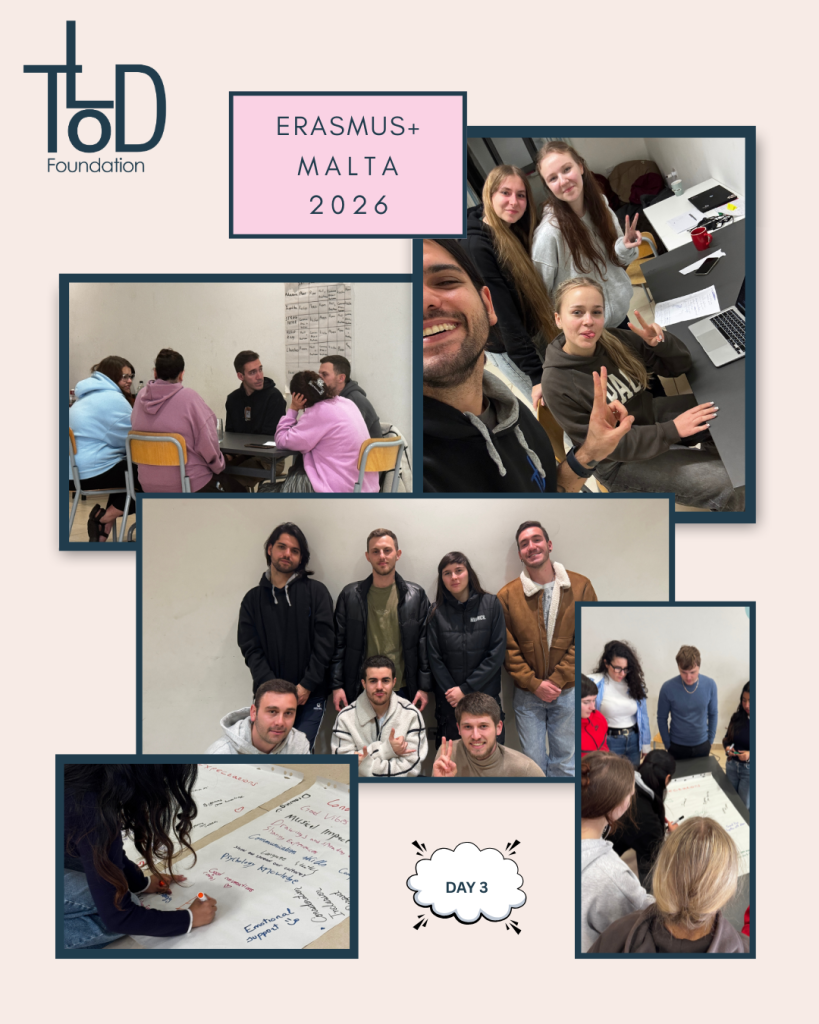
During the activity, five teams took part in an interactive board game focused on mental health. The game was based entirely on questions, which were divided into five main categories: general questions, anxiety, psychosis, depression, and eating-related problems. Each team progressed through the different categories by answering and discussing the questions, which encouraged reflec tion, knowledge sharing, and open discussion on various aspects of mental well-being. The activity created a safe and supportive environment where participants felt comfortable expressing their opinions and listening to different perspectives. Through teamwork and group discussions, par cipants increased their awareness and understanding of mental health conditions, the importance of early recognition, and the value of support and empathy. Overall, the activity contributed to reducing stigma, strengthening group cohesion, and promoting open dialogue on mental health topics that are often considered sensitive or difficult to address.
The next lecture focused on the topic of seting personal boundaries and understanding their importance for emotional well-being and healthy relationships. During the session, participants took part in an interactive activity in which they explored and expressed their own boundaries in response to different situations. This exercise encouraged self-reflection and helped participants become more aware of their personal limits and needs. Following the activity, participants listened to thematically related songs and reflected on the emotions and feelings that arose while listening. Through discussion and shared reflection, they identified and named the emotions evoked by the music, connecting them to the topic of boundaries and personal experiences. Overall, the lecture combined theory with practical and emotional engagement, fostering greater self-awareness, emotional expression, and a deeper understanding of how boundaries influence mental and emo onal health.
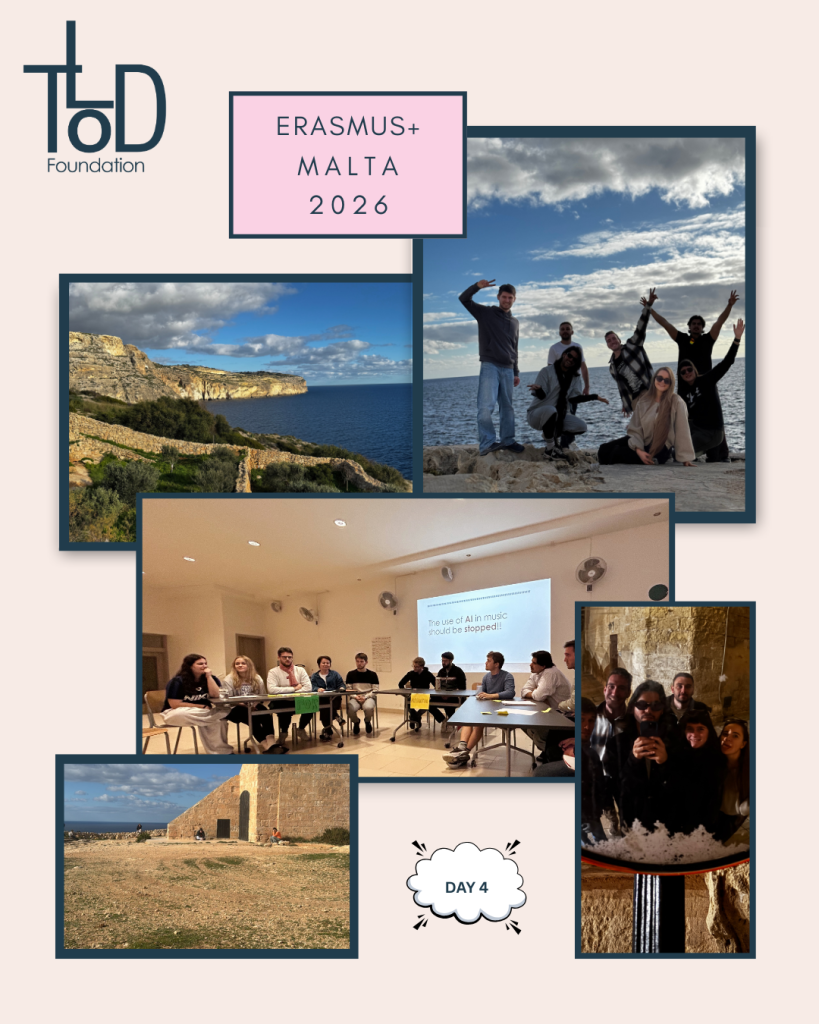
Thelast part of the day was a debate focused on the question of whether artificial intelligence should be used in music. Participants were divided into three groups: a team arguing in favor of the use of AI in music, a team arguing against it, and a jury responsible for evaluating the arguments. Both sides presented their perspectives, discussing topics such as creativity, originality, ethics, and the impact of technology on artists and the music industry. The debate encouraged critical thinking, dialogue, and active listening, as participants engaged with different viewpoints on a contemporary and relevant issue. After considering the strength and clarity of the arguments, the jury concluded that the team supporting the use of artificial intelligence in music presented the more convincing case and was therefore declared the winner. The activity highlighted the value of structured debate in developing communica on skills and informed opinion-making.
Day 4
The day began with an insightful session focused on the topic of anxiety and the “five‑senses meditation” technique. During the lecture, participants explored how anxiety can manifest in everyday life and discussed general strategies for grounding and calming the mind. The five‑senses meditation was introduced as a simple yet effective method for increasing awareness of the present moment by engaging sight, sound, touch, smell, and taste. This activity encouraged participants to reflect on how mindful attention can support emotional balance in stressful situations.
Following this session, the group moved on to a lecture on existential psychology. This part of the program invited participants to think more deeply about themes such as meaning, personal values, freedom, and responsibility. Through guided discussion and reflection, the lecture highlighted how understanding these existential concepts can help individuals navigate uncertainty, build resilience, and develop a stronger sense of purpose.
In the afternoon, the program shifted into a more relaxed rhythm, as the schedule was intentionally left open for participants to enjoy some free time. This break offered everyone a chance to unwind after the intensive sessions earlier in the day and to immerse themselves in the beauty and atmosphere of Malta. Many participants were excited to explore the island, and thanks to the local members of the group, we were guided toward some of the most remarkable and authentic places worth visiting.
The locals enthusiastically shared their knowledge about hidden gems, scenic viewpoints, historical landmarks, and charming neighborhoods that tourists often overlook.
This free afternoon became a memorable highlight of the exchange. It allowed participants not only to explore a new country but also to bond with one another in a more informal setting, creating shared experiences and stories that strengthened the sense of community within the group. The combination of cultural discovery, meaningful conversations, and the warm Maltese atmosphere made the day feel both refreshing and inspiring.
Day 5
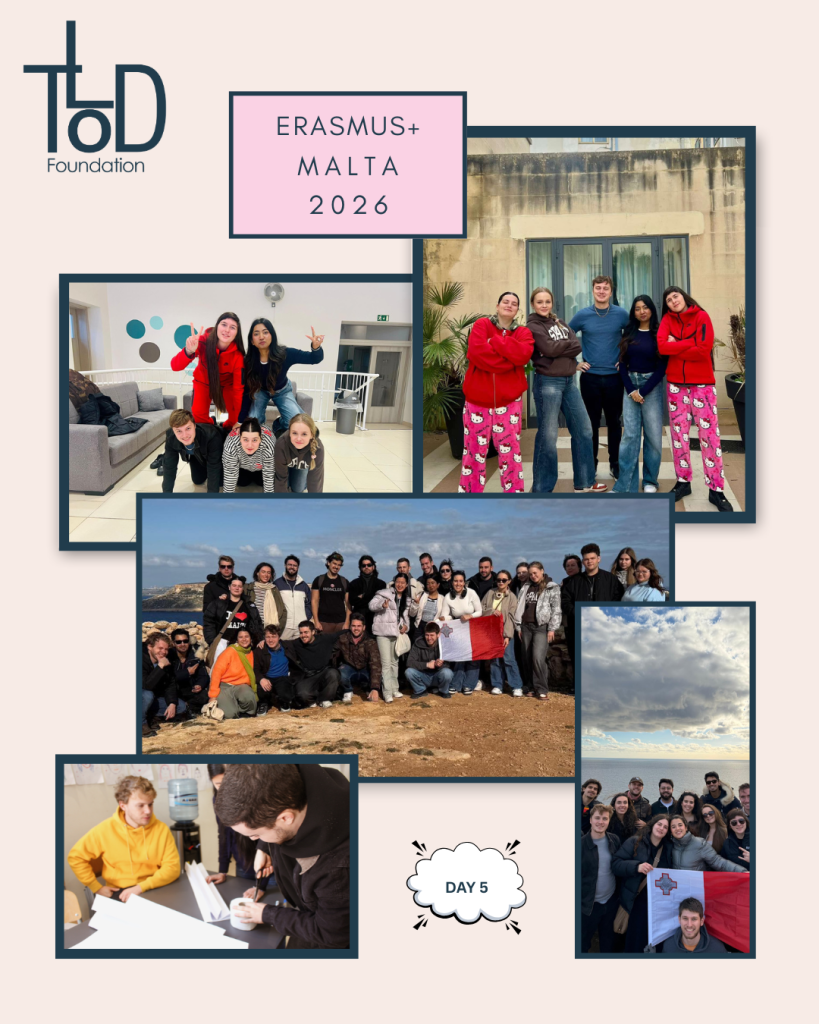
The second‑to‑last day was divided into two connected activities that blended reflection, movement, and personal experience. The morning began with a scenic coastal walk along the Maltese shoreline, close to the famous Popeye Village. The path offered stunning sea views and a peaceful atmosphere, making it an ideal setting for thoughtful engagement with the project’s themes. Throughout the walk, the group made several planned stops where participants were asked to complete short questionnaires related to the main topic of the exchange. These reflective pauses encouraged everyone to think more deeply about the ideas explored during the previous sessions and to connect them with their own emotions and experiences.
At the same time, participants were invited to listen to music of their own choice as they walked. This added a personal and introspective layer to the activity, allowing each person to shape their experience through the emotions and memories evoked by their selected songs. The combination of nature, movement, music, and reflection created a calm and meaningful atmosphere, helping participants engage with the project’s themes in a more individual and immersive way.
During the remainder of the day, we were given a creative and collaborative task: to compose an original song that reflected the main theme of the youth exchange. Participants were divided into teams, each guided by a leader with musical experience who could support the group in shaping melodies, rhythms, and lyrics. This structure allowed everyone to contribute according to their strengths — whether through writing, singing, playing instruments, or offering creative ideas.
The activity encouraged teamwork, experimentation, and open expression. Groups brainstormed concepts, explored different musical styles, and worked together to transform their ideas into a complete piece. The process was both challenging and inspiring, as participants combined their personal perspectives with the central message of the project.
Day 6
The final day began with the continuation and completion of the task we had started the day before. Each team returned to their songwriting project, refining the lyrics, adjusting the melodies, and polishing the overall structure of their piece. This final working session allowed participants to bring their creative ideas to life, strengthen their collaboration, and prepare their songs for presentation.
In addition to finishing the song itself, every group was also required to create a short video to accompany their musical piece. This added an extra layer of creativity and teamwork, as participants had to think about visual storytelling, coordination, and how best to represent the message of their song through imagery. The process was lively and engaging, with teams experimenting with different ideas, filming scenes, and combining their artistic skills to produce a complete audiovisual project.
After completing both the song and the accompanying video, the day continued with a presentation session where each team showcased their final project. Groups introduced their creative process, explained the message behind their song, and shared the ideas that inspired their video concept.
Finally, we set aside time to reflect on the past days and discuss what we had learned throughout the exchange. This closing session encouraged everyone to look back on the activities, workshops, and shared experiences, and to think about how they had grown both personally and as part of the group. Participants spoke about new insights, skills they had developed, and moments that had left a lasting impression. The atmosphere was warm and thoughtful, as the group acknowledged the progress made during the week and the meaningful connections formed along the way.
The youth exchange provided a rich and meaningful journey that combined learning, creativity, cultural exploration, and personal growth. Throughout the week, participants engaged in a wide variety of activities — from discussions on mental health and resilience to hands‑on creative workshops, musical projects, and reflective exercises. Each day offered new opportunities to develop skills, share perspectives, and strengthen the sense of community within the group.
The program encouraged participants to step outside their comfort zones, collaborate with others, and explore the powerful connection between music, emotions, and well‑being. The cultural evenings, outdoor activities, and free time spent discovering Malta added an important dimension to the experience, allowing everyone to appreciate diversity and build meaningful international friendships.
By the end of the exchange, participants not only gained new knowledge and insights but also developed greater self‑awareness, confidence, and openness toward others. The final presentations and reflections highlighted how much each person had grown and how the shared experiences had shaped the group as a whole. The exchange concluded with a strong sense of accomplishment, gratitude, and inspiration — a memorable chapter that will continue to influence everyone long after returning home.